Massacre of Amhara Orthodox Christians in Arsi Reflects Continued Violence in Oromia

Church officials and local witnesses allege that Oromo armed groups, reportedly supported in some cases by local authorities, have carried out targeted attacks against Amhara Orthodox Christians in the Arsi Zone of Ethiopia’s Oromia Region. At least two dozen people, including priests, were killed in late October and early November, sparking outrage and fresh fears of religiously and ethnically motivated violence.
According to statements by the Ethiopian Orthodox Tewahedo Church and multiple independent media outlets, the attacks struck several villages across East Arsi Zone. Church sources report that 24 Orthodox Christians were killed and 10 others abducted in late October, while further assaults in early November claimed at least five more lives. Most of the victims, they say, were Amhara by ethnicity and adherents of the Orthodox faith.
His Grace Abune Petros, a senior bishop of the Church, described the killings as “a deliberate massacre of innocent faithful.” In remarks published by Borkena, he called on both regional and federal governments to protect Orthodox Christians in Oromia: “Our people are being killed for their faith and identity … The silence of those in power is deeply painful.”
The Church’s Holy Synod said more than 25 civilians were killed in Arsi in October alone, accusing Oromo armed groups of targeting Orthodox believers and claiming some local officials were complicit or negligent in preventing the violence. “This is a campaign of terror against Amhara Orthodox Christians,” the Synod stated, urging an immediate and impartial investigation.
Regional authorities in Oromia have rejected the allegation of religious or ethnic targeting, describing the killings as isolated incidents carried out by “unidentified gunmen.” The Oromo armed groups, which have been engaged in ongoing clashes with the federal government, have not publicly claimed responsibility. Independent verification is challenging due to limited access to the affected areas.
Church representatives also note that this is not an isolated episode. Including the most recent massacre, more than 100 Orthodox Christians, the majority of them of Amhara ethnicity have been killed in the Arsi Zone alone over the past two years. Clergy members say the pattern of repeated attacks has created a climate of fear, forcing many Orthodox families to flee their villages.
Moreover, fresh reports indicate that the violence is continuing unabated. According to a recent article in DNE Africa, another attack left five Orthodox Christians dead in Arsi during renewed violence targeting the community. Local church representatives describe the killings as increasingly deliberate and brutal, with more than 140 people reportedly affected in ongoing attacks.
Human rights monitors have expressed concern over the growing pattern of identity-based violence in Oromia. “The reports from Arsi are deeply troubling,” said one rights observer quoted by Addis Standard. “If it’s confirmed that people were killed for their ethnicity and religion, this represents a dangerous escalation in Ethiopia’s internal conflict.”
The Amhara community, one of the country’s largest ethnic groups, has faced repeated attacks in parts of Oromia in recent years. Church leaders and civic organizations warn that the continued targeting of Amhara Orthodox Christians risks inflaming broader inter-communal tensions and undermining efforts toward national reconciliation.
Ethiopia’s federal government has not yet issued a detailed statement on the Arsi killings, but religious leaders and advocacy groups are calling for an urgent investigation, accountability for perpetrators, and stronger protections for civilians. The Ethiopian Orthodox Tewahedo Church, a cornerstone of the country’s religious and cultural heritage, says it will continue to press for justice for the victims.
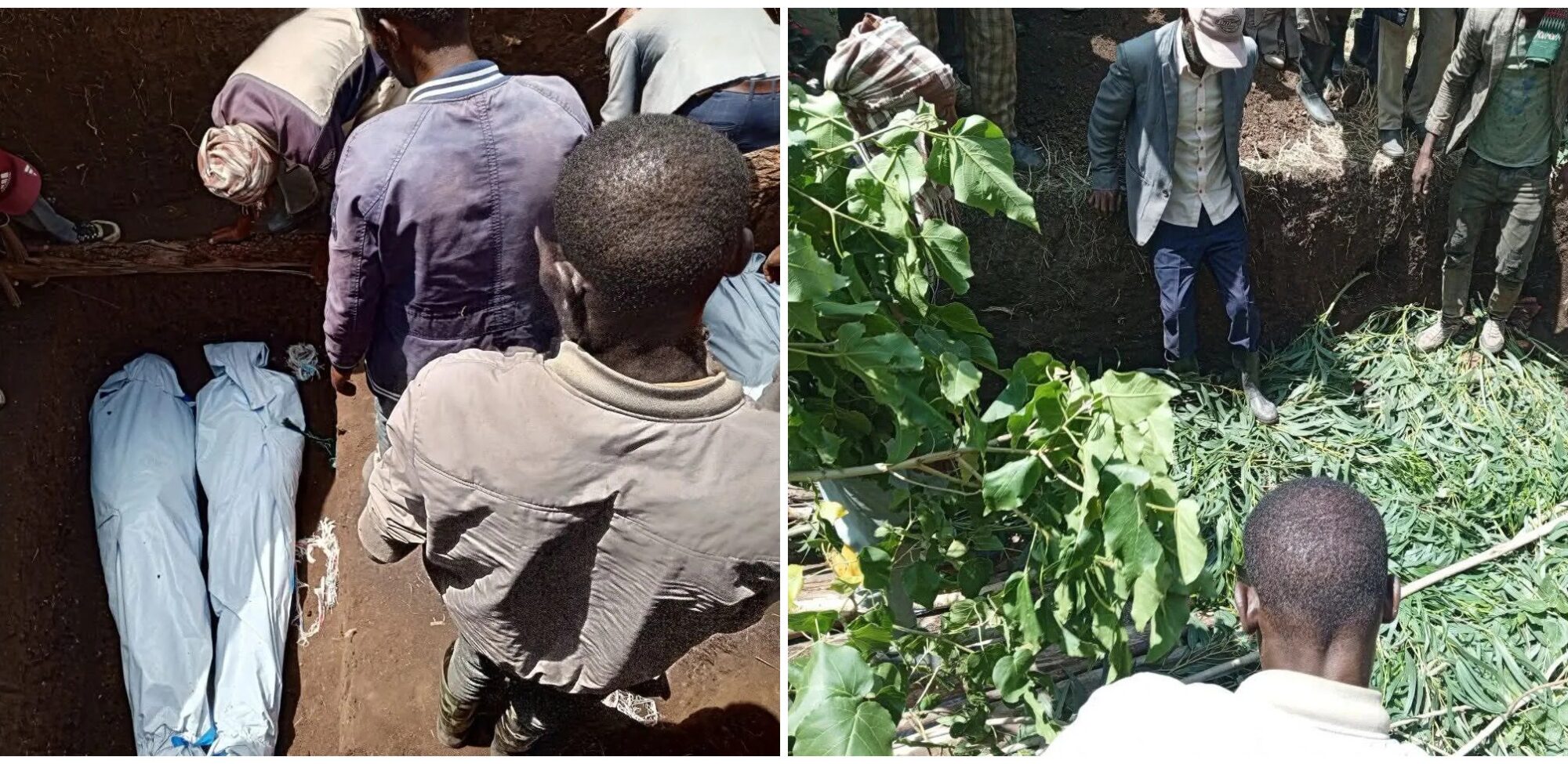
As grieving families bury their loved ones, the Church and community members are demanding answers. For many Ethiopians, the killings in Arsi have become a painful symbol of a deeper crisis one where faith, ethnicity, and politics collide, and where silence risks becoming complicity.